Managed BYOD
Windows 11 Home
Upgrade to Managed Setup
The following guide will step you through how to set up a new Windows 11 Home device and Upgrade to Managed BYOD.
Please note these devices are generally the ones purchased through a retail outlet. If you have purchased your device through an education portal with your school, you will most likely have the Windows 11 Education version which you can find set up instructions for here.
If you are unsure which version of Windows you have, please check the documentation that came with your device or confirm with your place of purchase, if necessary, before proceeding.
Before you begin, please ensure you have the following:
- Your device with Windows 11 Home.
- A stable internet connection.
- Fully charged device and connection to power.
- A personal Microsoft Account for the student with password and administrator access.
- Student’s school email address (firstname.lastname@mnstu.catholic.edu.au).
- Student’s school Password.
- Note: If you are a new student within our diocese you will not be assigned a student email, username or password until your first day of attendance at school. Please wait until you receive this information before attempting step 36 onwards in these instructions.
Setting up a Windows 11 Home Device & Upgrading to Managed BYOD
Follow the instructions or watch the video below to set up your new Windows 11 Home device and upgrade it to our Managed BYOD platform, built on Microsoft Intune. You can also download a copy of the instructions here.
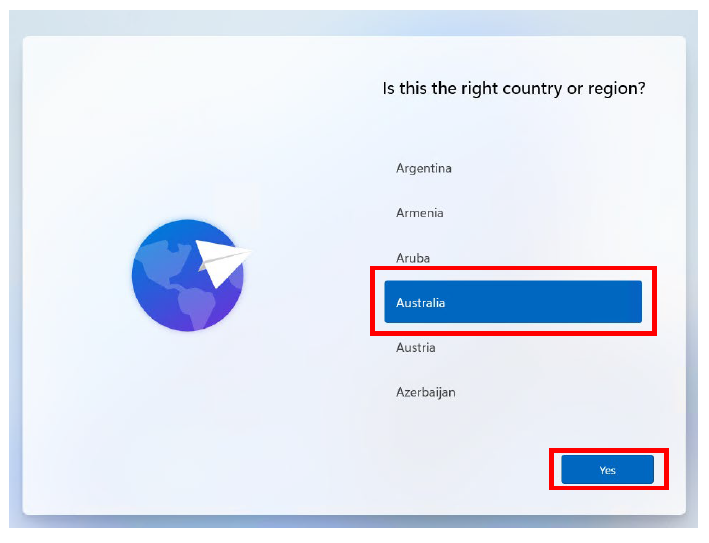
- When first setting up your new device, the following screen will be displayed. Select ‘Australia’ and then click ‘Yes’.
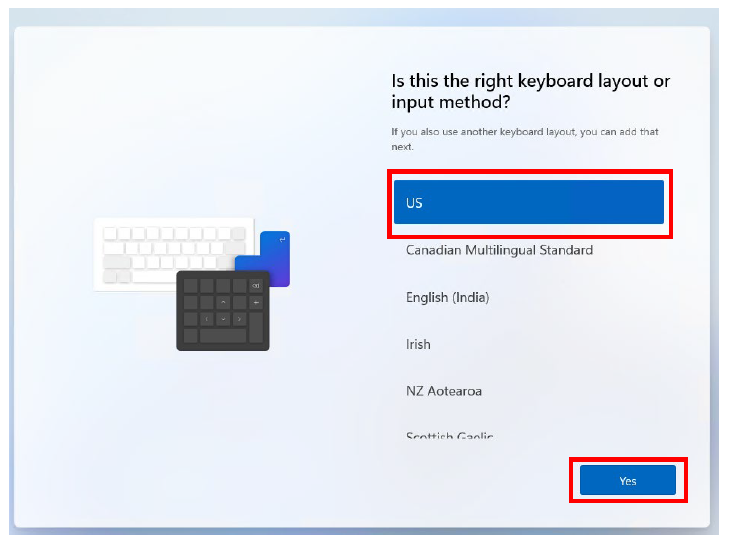
- Select ‘US’ as the keyboard layout and then click ‘Yes’.
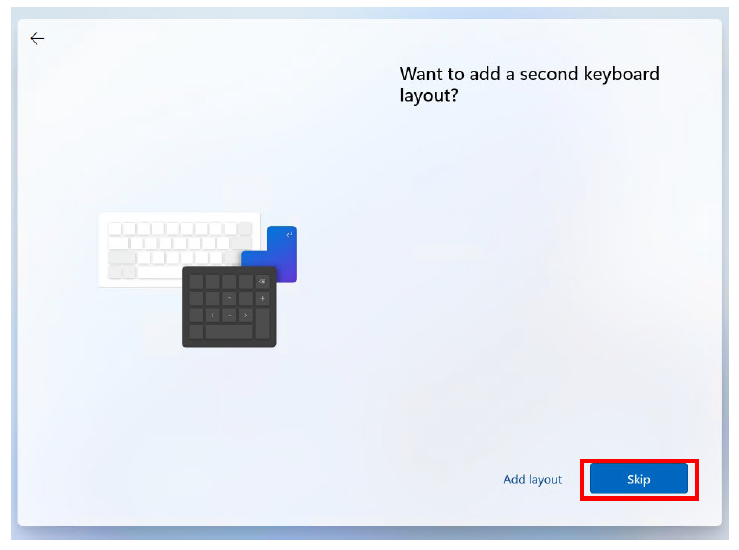
- When prompted to add a second keyboard layout simply click ‘Skip’ to continue.
- You should then be prompted to connect to an available network. Select a known and trusted network from the list and click ‘Connect’. Enter the appropriate password when requested.
Note: If your device is already connected to a cabled internet connection this screen will simply show the state of the connection (i.e. Connected, Internet).
When you are connected to a network with Internet Access, click ‘Next’.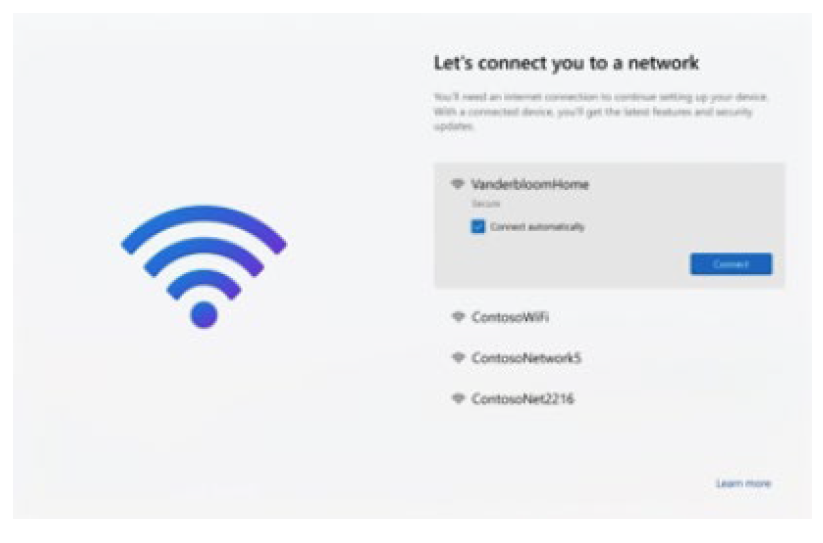
- The device will then check for updates, as shown below.
DO NOT TURN OFF YOUR DEVICE during this process.
This may take some time so ensure the device has power and watch for any prompts on screen.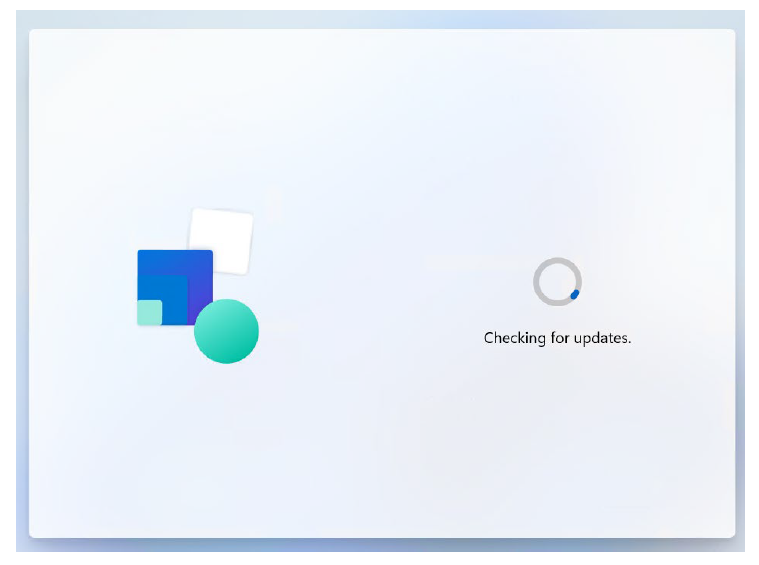
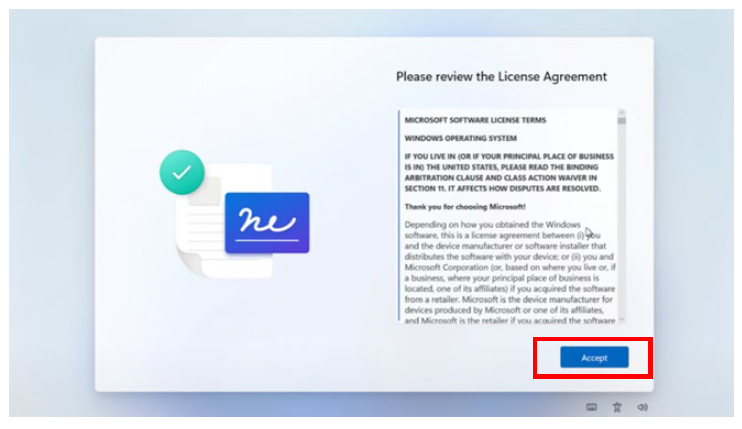
- Once the updates are applied you may be asked to accept the License Agreement. Read the agreement and click ‘Accept’.
- You will then be asked to name your device. Choose an appropriate name that does not give away any personal information. Note the naming requirements displayed on screen.
Also note that this will be the name that appears if you are sharing your screen with your classroom display.
Name the device then click ‘Next’ to continue or choose to ‘skip for now’.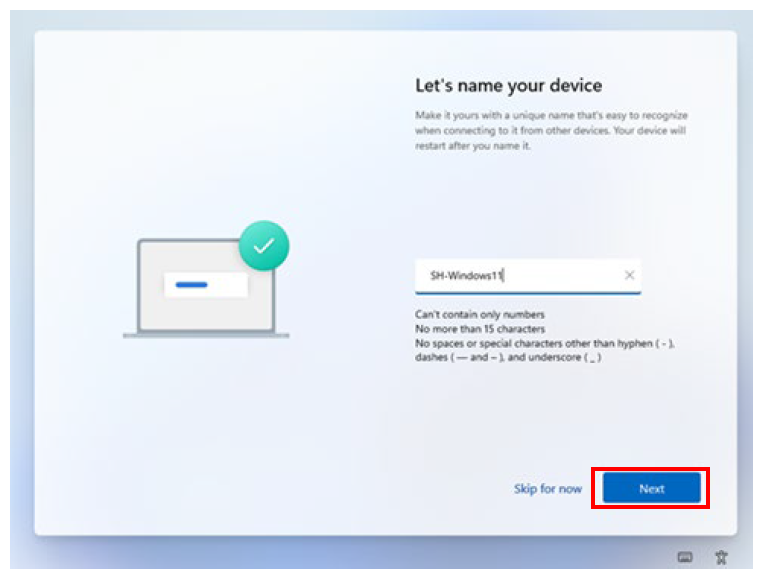
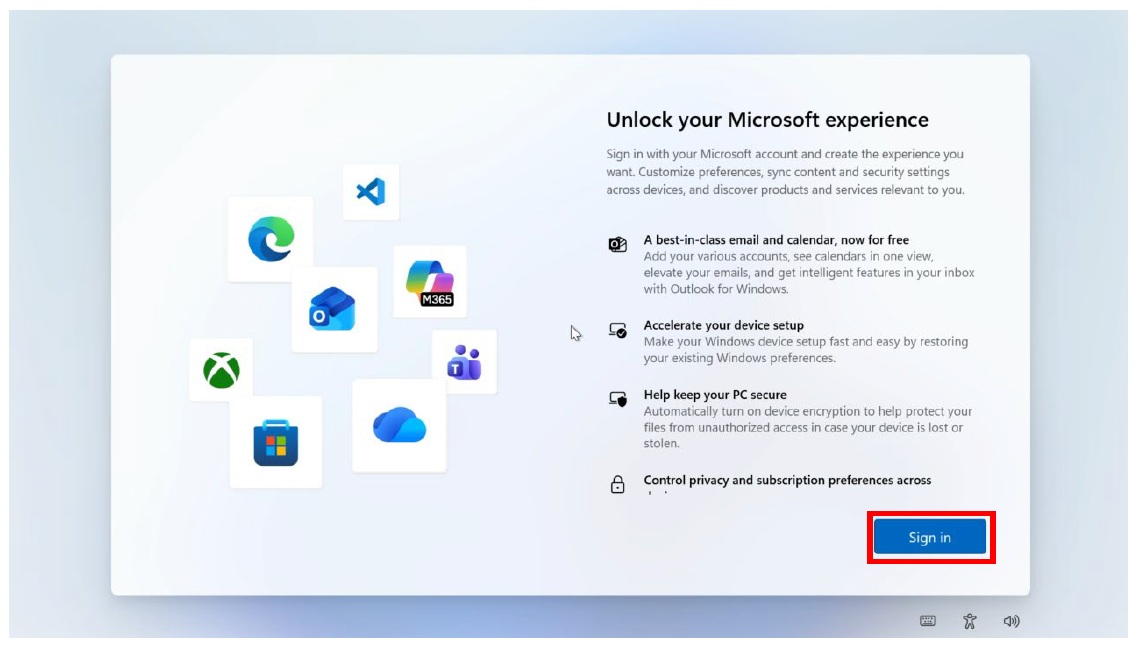
- You will now be asked to sign in with your Microsoft account. This should be the students personal Microsoft account (School accounts will not work with Windows Home).
If you do not already have a personal Microsoft account created for your child, we recommend doing this separately prior to completing this step. Click here to see a guide on how to setup a personal Microsoft account for your child.
Please note: As children are under 18 years of age you will need to have a parent account and it will automatically apply many Family Safety Features that will require attention at step 26.
Once you have your personal Microsoft account details for your child ready click ‘Sign in’.
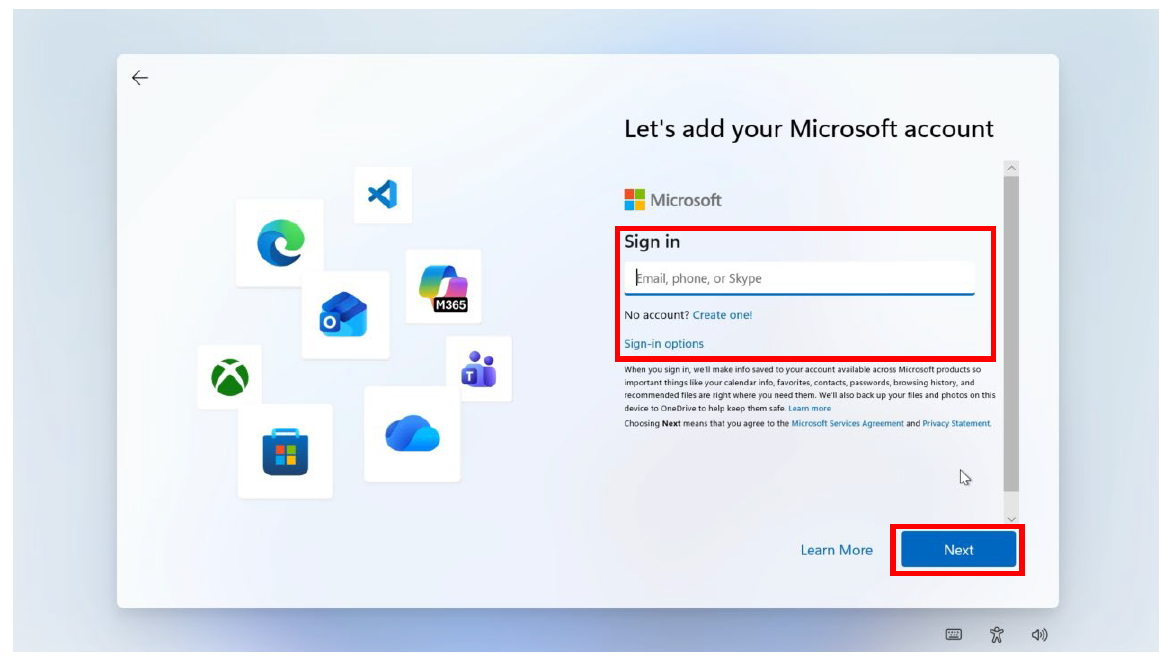
- You will now need to enter your child’s personal Microsoft account email address and then click ‘Next‘.
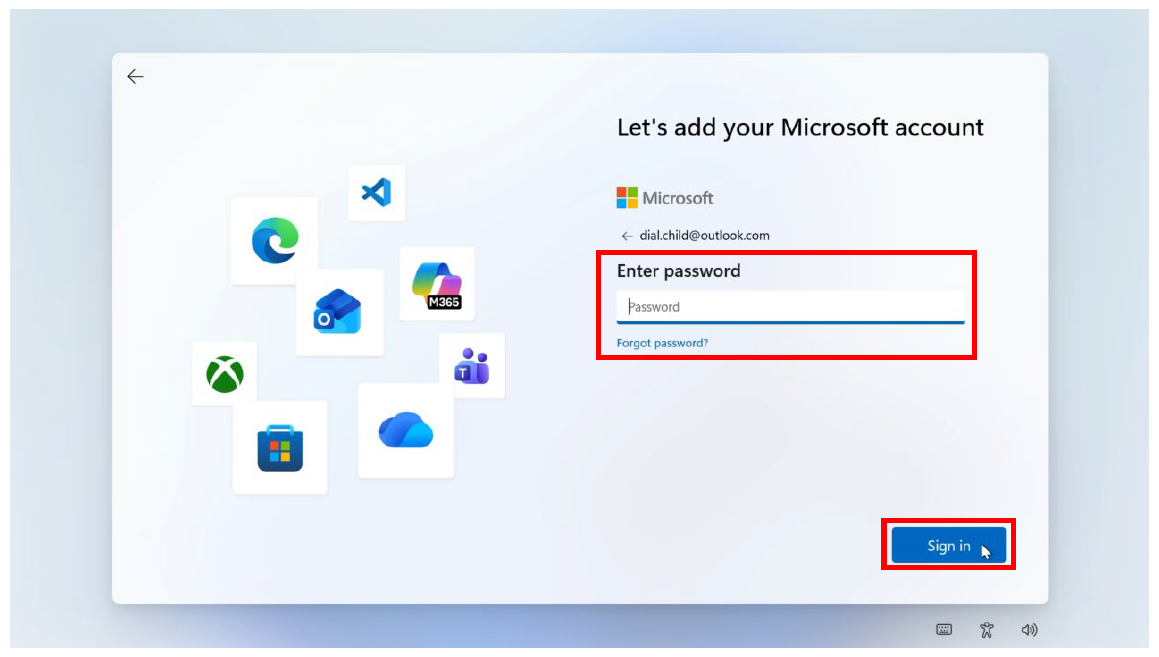
- Now enter the password for your child’s personal Microsoft account. Then click ‘Sign in’.
- You will now be asked how you would like to set up your device. Select ‘Set up as a new PC’ and then click ‘Next’.

- You will now be asked to create a PIN for your device. Click ‘Create PIN’ to continueNote: On some devices you may also be given the option of setting up other sign in methods such as fingerprint recognition or facial recognition. This will vary depending on the functionality of your device.

- On the following screen enter an appropriate PIN that your child will be able to remember.
This will be the method they use to log on to their device, with their personal account, so it should be secure and memorable.Once you have entered your PIN and confirmed it, click ‘OK’ to continue.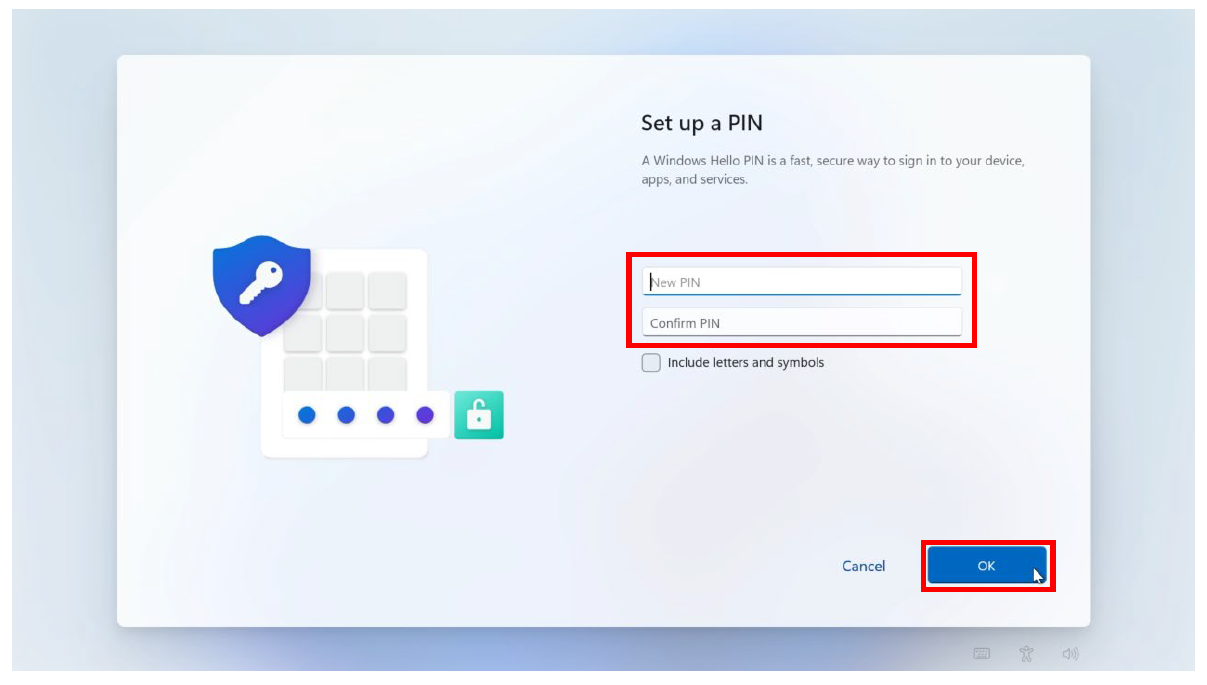
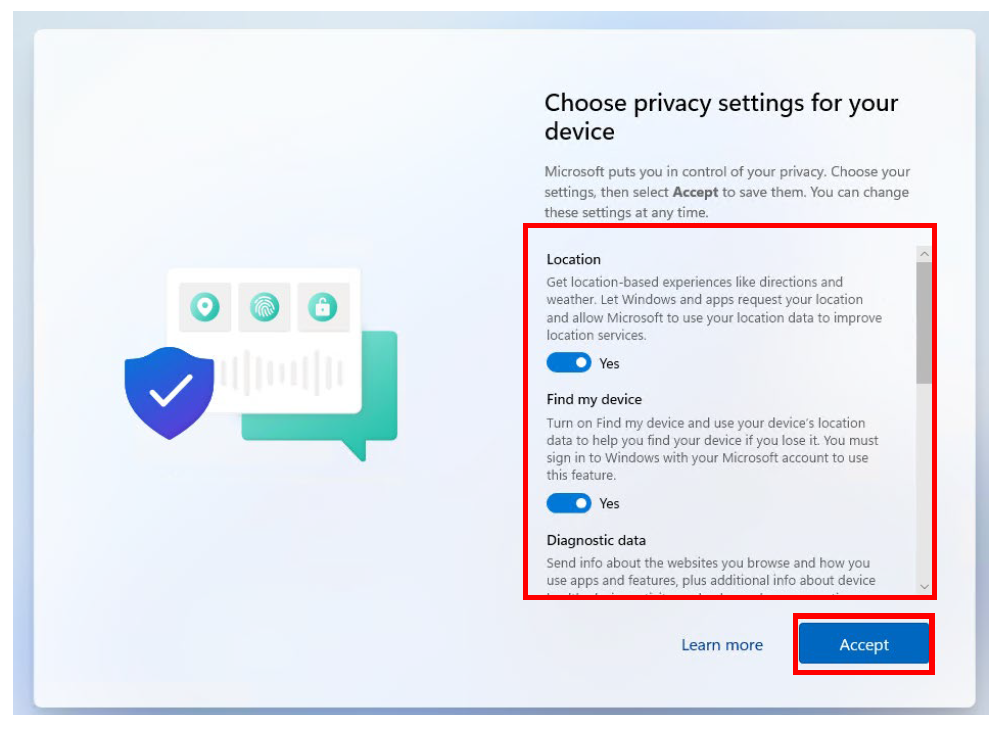
- You will then be prompted to select the privacy controls for your device. Select the options you feel are appropriate. We advise that you leave ‘Location’ and ‘Find my device’ enabled. This allows your device to be located if it is lost or stolen.Be sure to scroll down the list of options. When satisfied, click ‘Accept’.
- Next you will be asked to “customize your experience”. Select the options that you feel are appropriate. We recommend selecting the “School” option only. Once you have made your choices, click ‘Accept‘.
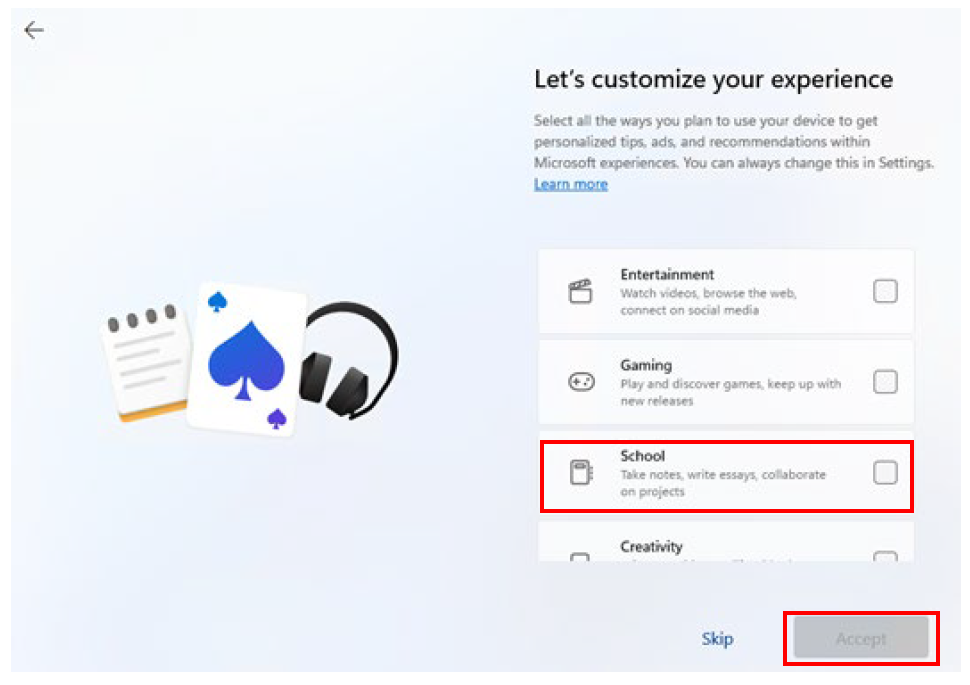
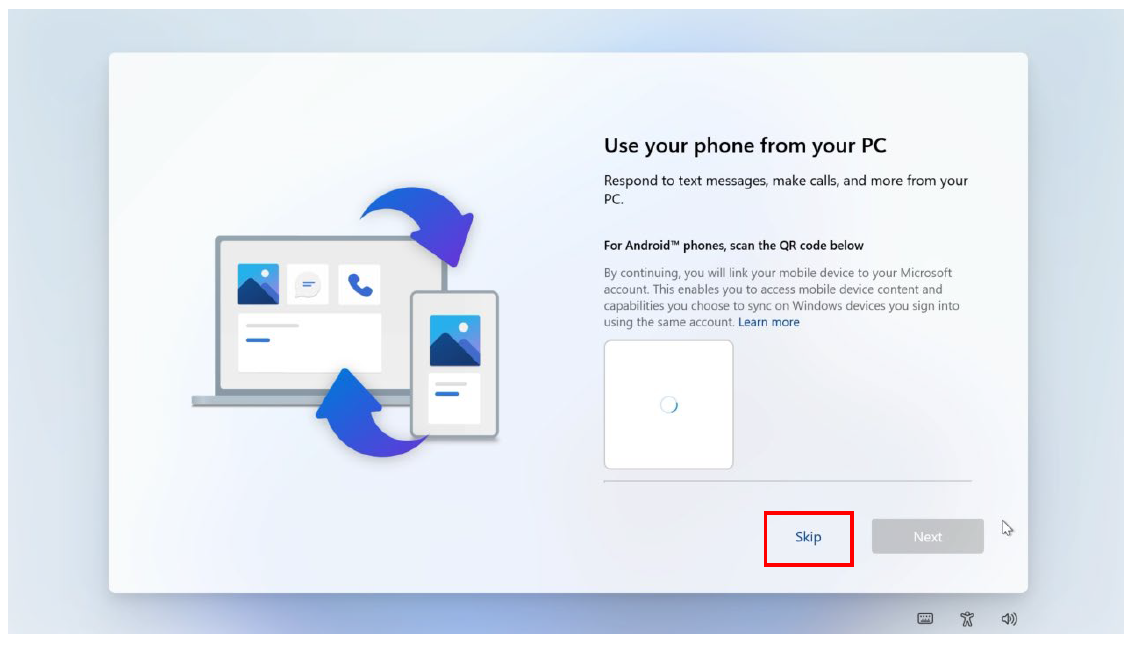
- Prompts may appear at this stage for other trial software such as Xbox Game Pass, antivirus software or Microsoft phone connections. None of these are necessary for school and we recommend selecting ‘skip’ for any trials that are offered.
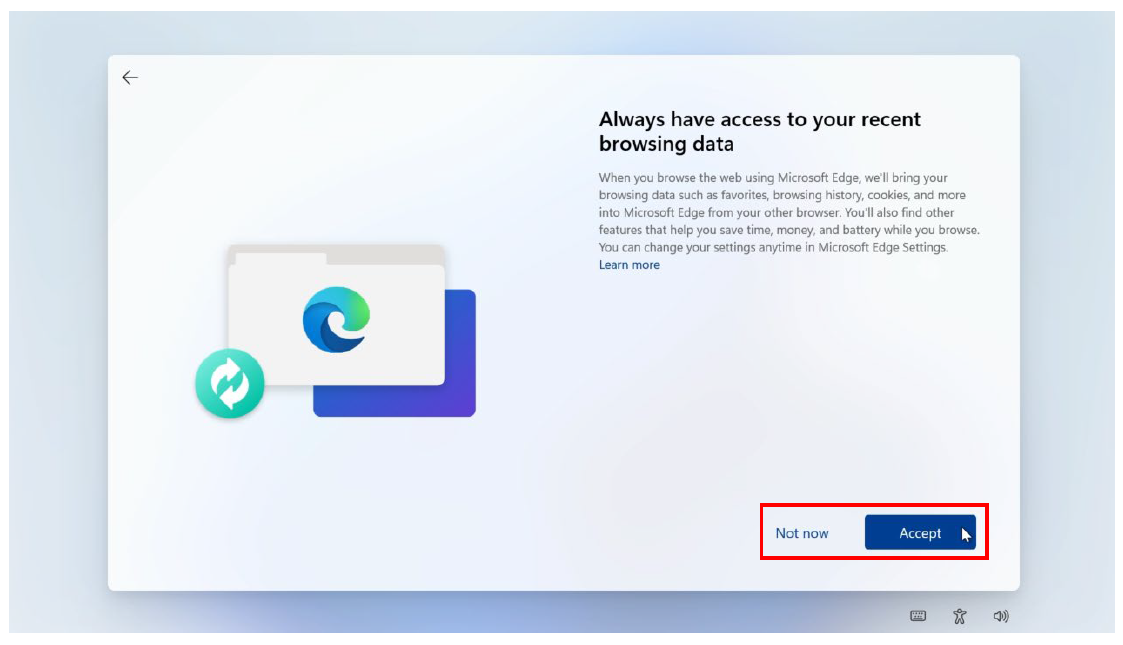
- The device may now ask if you would like to bring your browsing data into Microsoft Edge when using it. This is a personal choice so feel free to select either ‘Not now’ or ‘Accept’ to continue. This can always be changed in your device settings later.
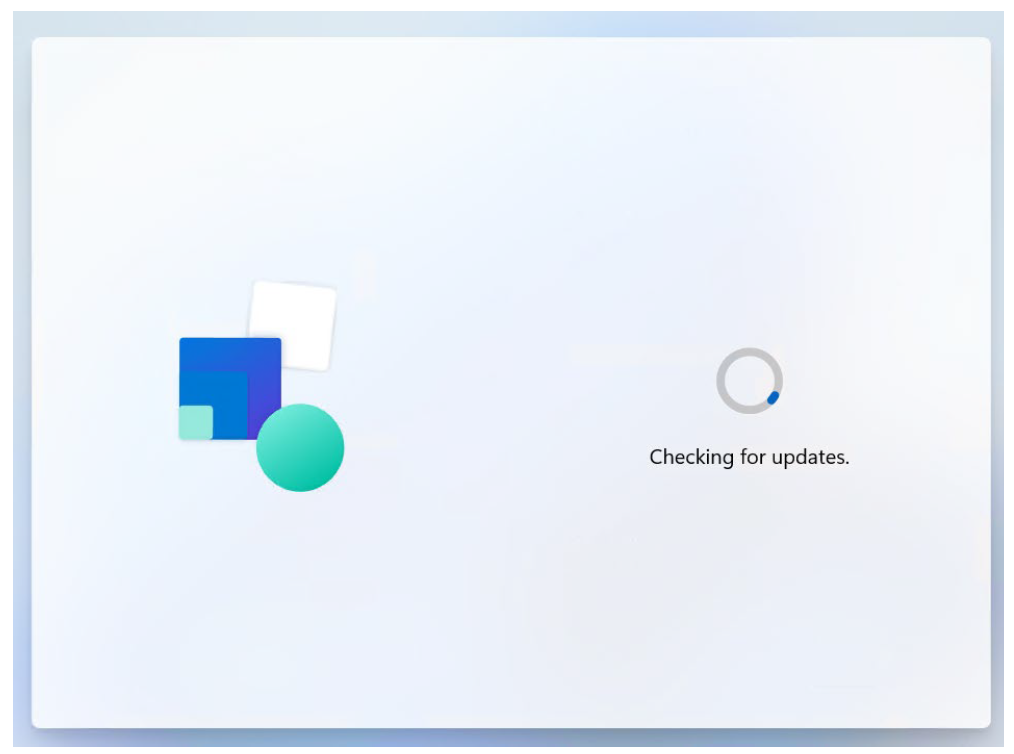
- The device will then check for updates, as shown below. Ensure your device has power and do not turn off your device during this time.
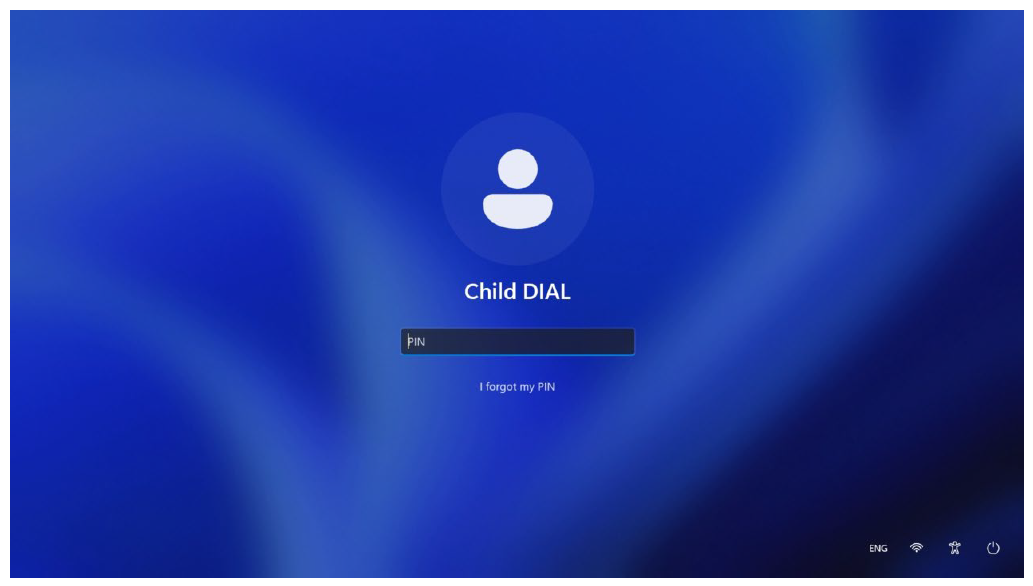
- Once the updates are complete you may find that the device restarts. Simply sign back in to the device using the PIN or sign in option you chose earlier.
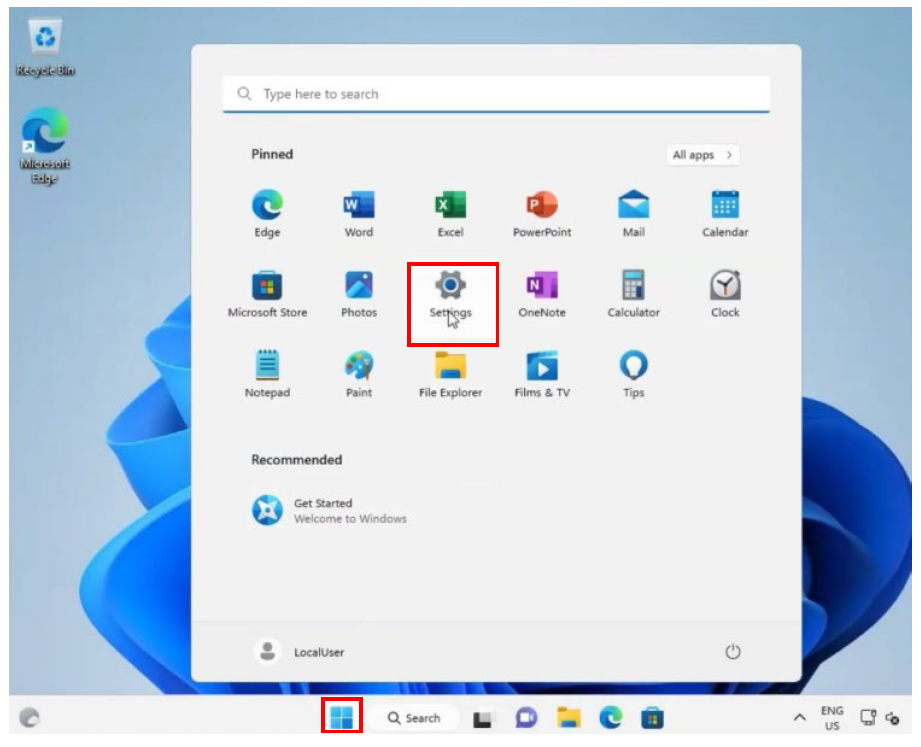
- Now you must check the device is not running the Windows S version. Click the Windows icon ‘Start’ menu Then click on ‘Settings’.
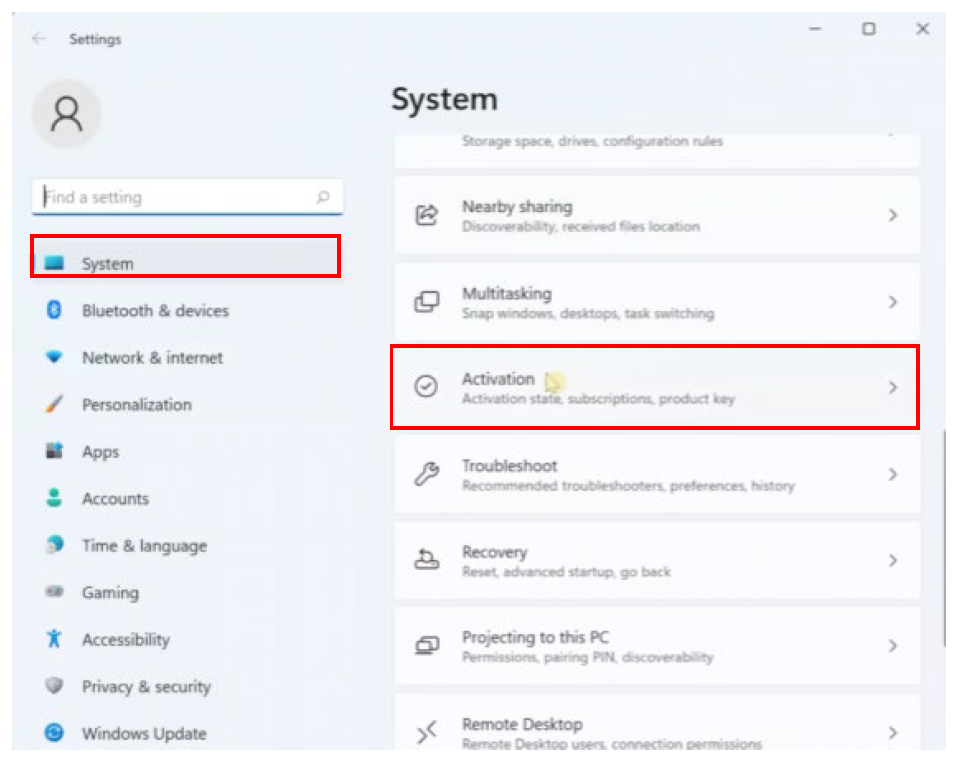
- In the settings menu select ‘System’ and then select ‘Activation’.
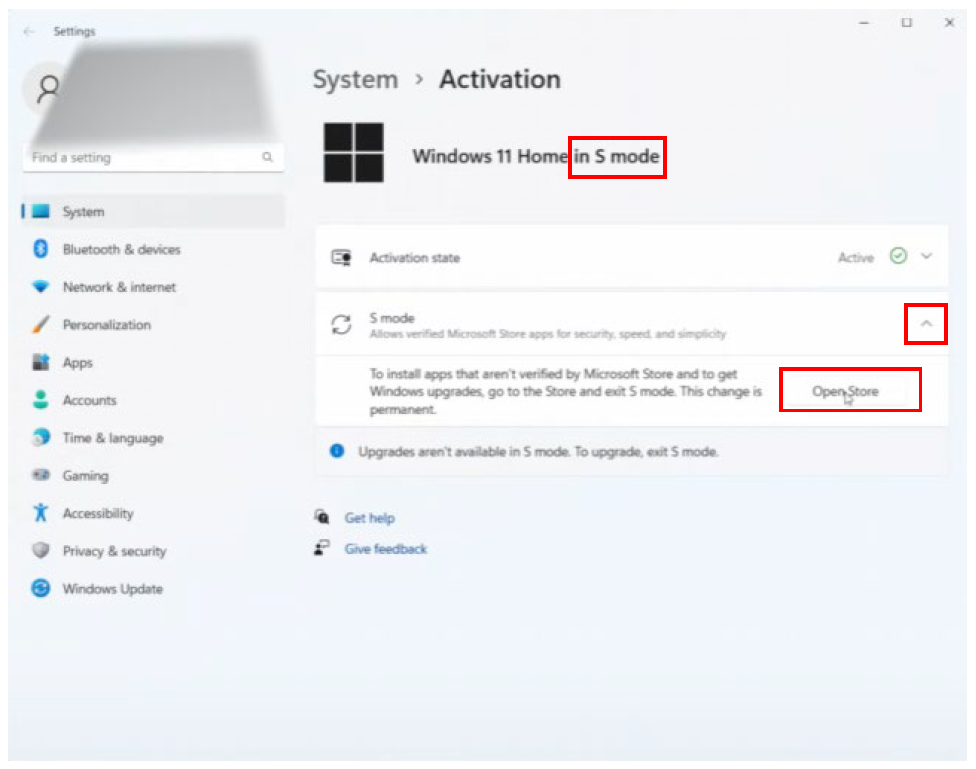
- If your device says Windows 11 Home in S Mode, continue with the next step (23).
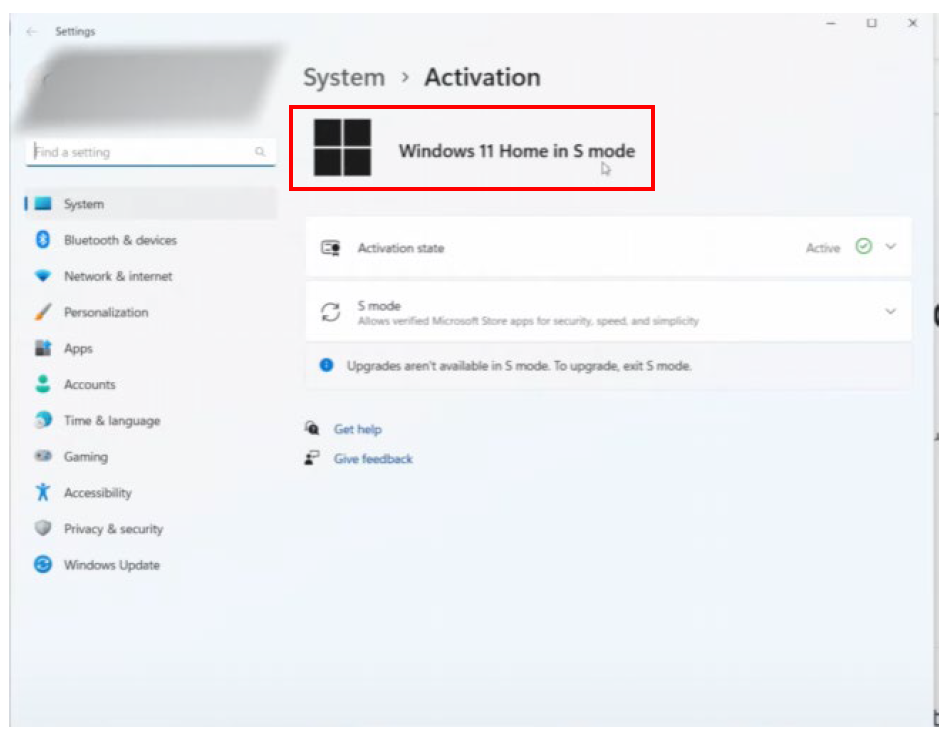 If your device just says, Windows 11 Home, you can skip to step 26.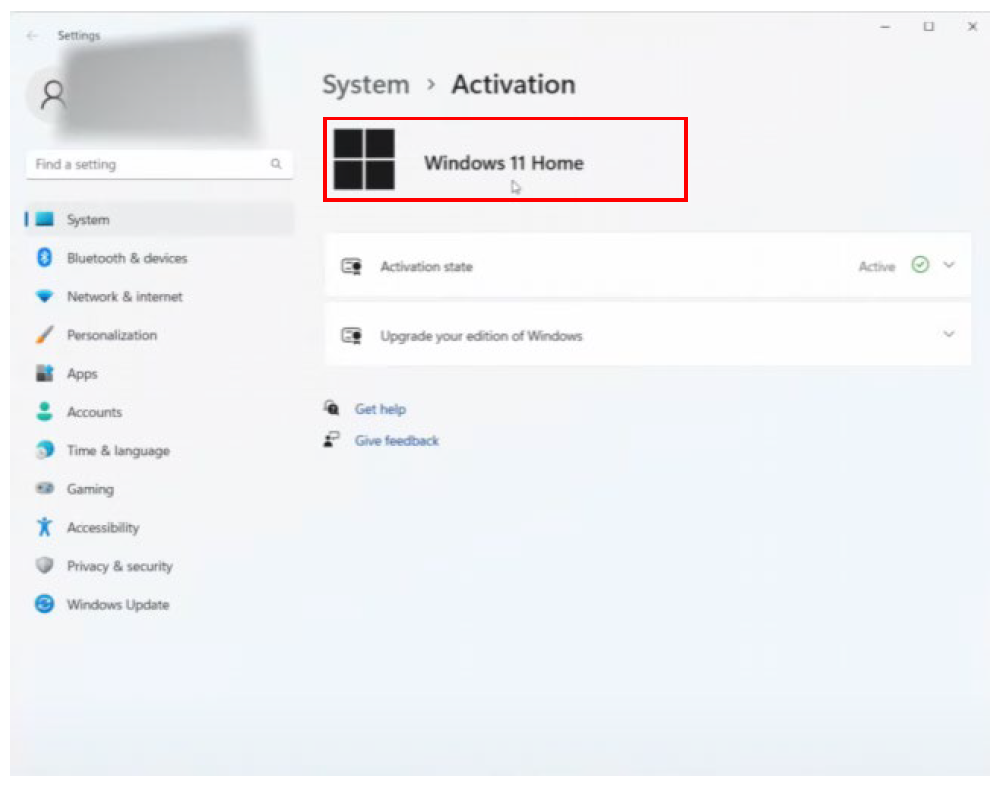
- For a device in S mode, select the second drop down icon next to the S mode menu and then select ‘Open Store’.
- The Microsoft App Store will open. Click the ‘Get’ button.
Note: You may be asked to sign into the Microsoft Store at this point.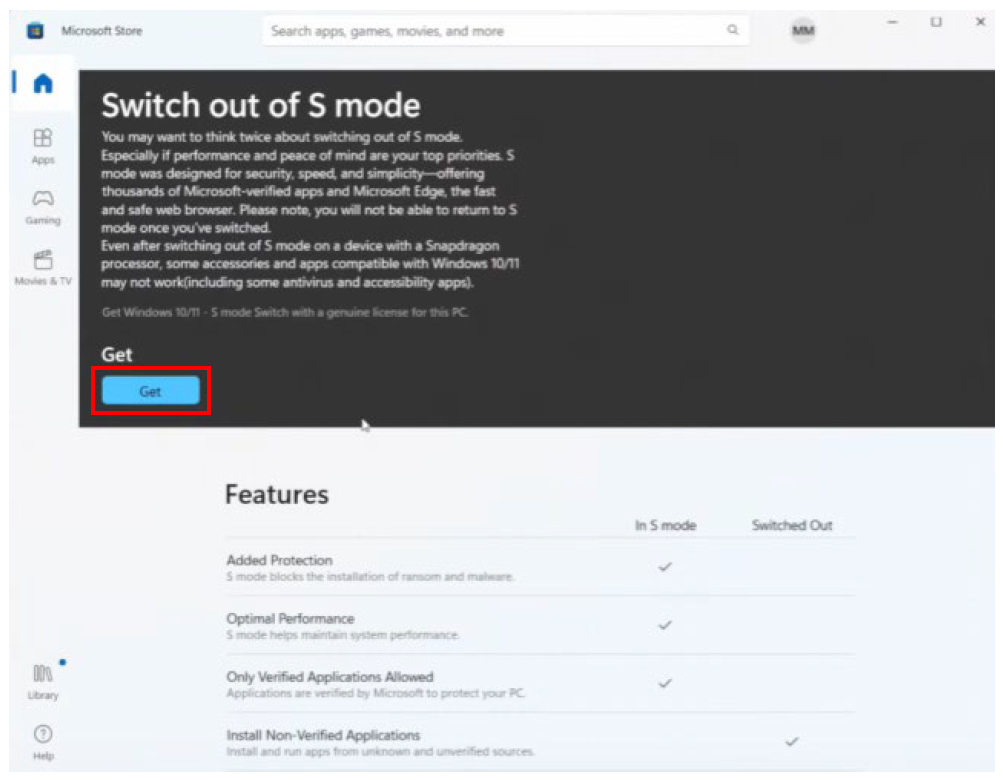
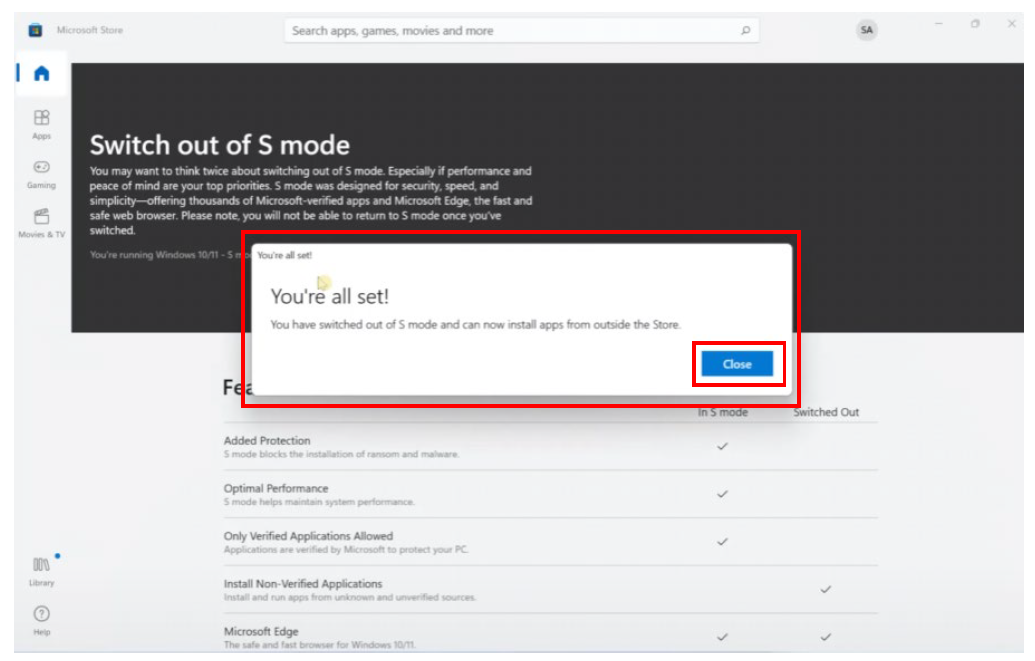
- Windows will change from S mode to the normal version of Windows Home. You will know that the process has completed successfully when the ‘You’re all set’ pop up appears. Click ‘Close’.
- You will now need to adjust the content filters in your Microsoft Family Safety settings for the child account. Open the following link for the Microsoft Family Safety Page in a web browser, not through the app. (The app only provides minimal options to change access to content).
- On the landing page find the sign in button and click ‘Sign in’.
(Note that the image below may be different to what you see)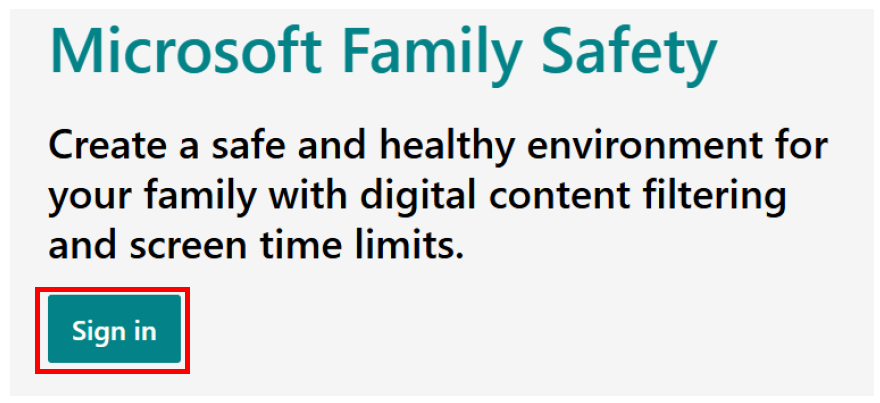
- If you followed the Microsoft instructions linked earlier at Step 8 to set up your child’s personal Microsoft account you should now see a screen similar to the one below showing the student (Child) account signed in and the Family Organiser (Dad in this example) listed.
Click on the ‘account manager icon’ in the top right corner then select ‘Sign in with a different account’ to allow the family organiser to sign in.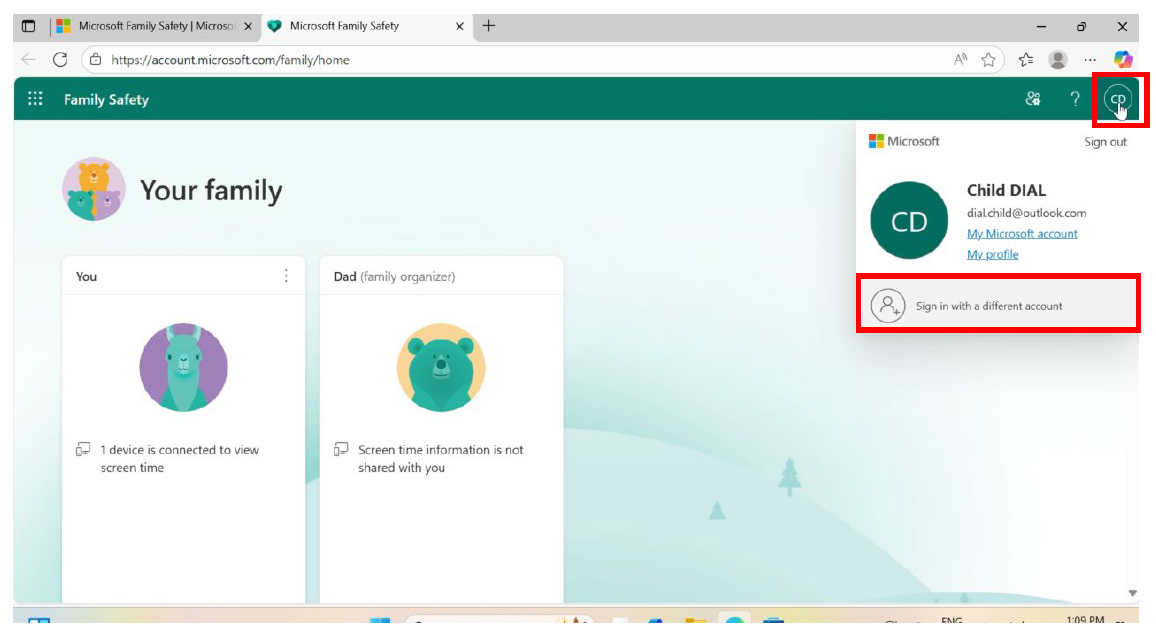
- A Microsoft pop up window will appear like the one below. Enter your parent Microsoft account information for the “family organiser” and click ‘Next’.
Note: This will be the adult account in charge of managing your Microsoft Family settings shown in the previous screen.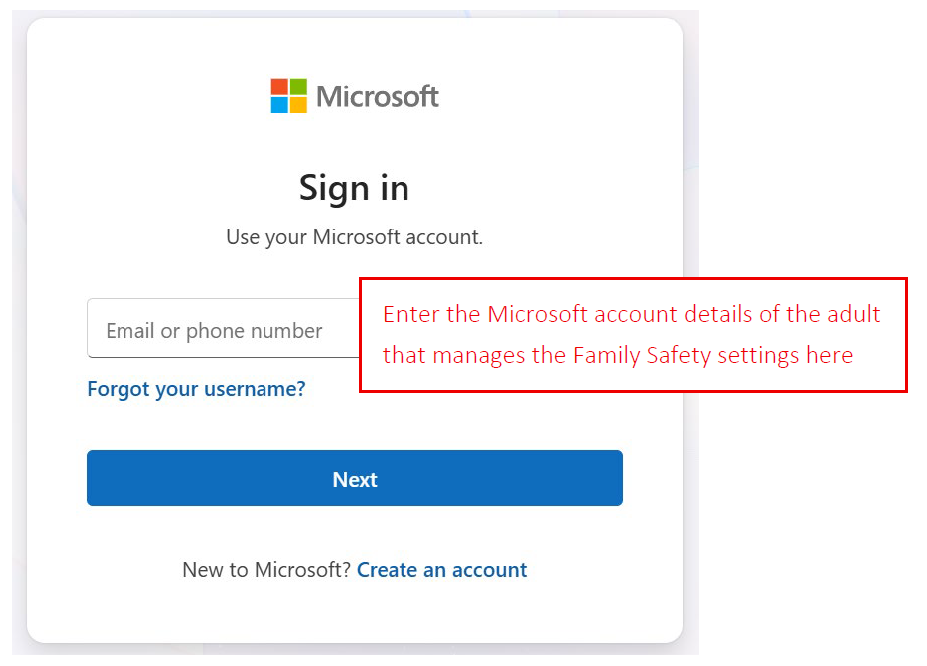
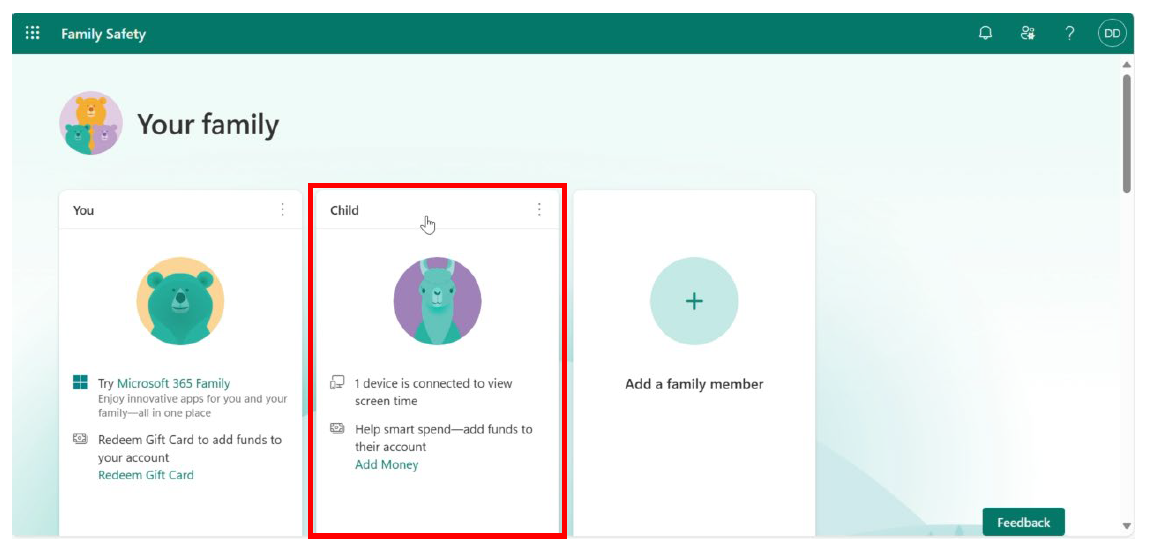
- Select the child’s name in family members list.
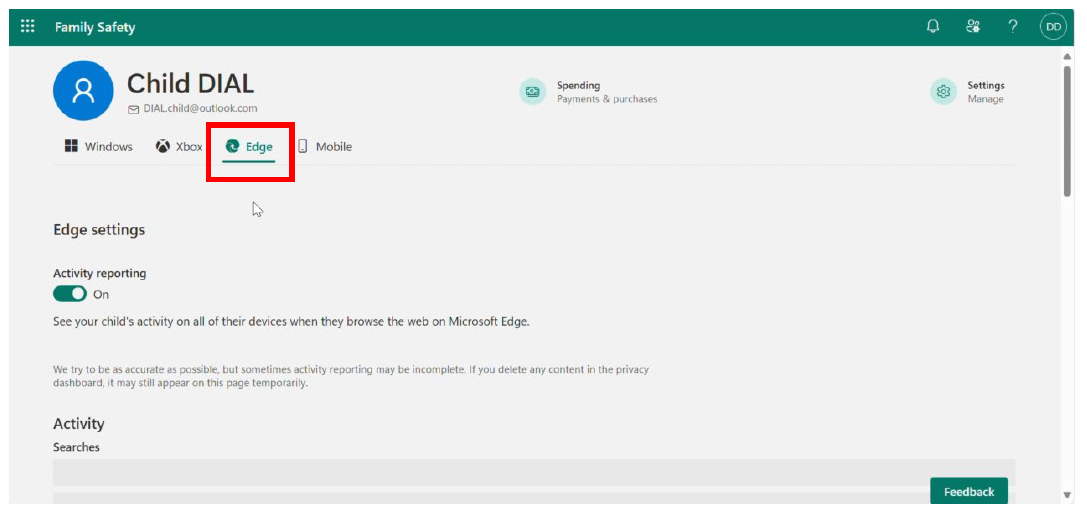
- Select the ‘EDGE’ tab from the platform options at the top of the page, under the family members name and email address.
- Scroll down the page until you see the ‘Filter settings’. Turn ON ‘Filter inappropriate websites and searches’.
Turn OFF ‘Only use allowed websites’.
- Underneath you will see the ‘Blocked sites’ area.
Ensure there are no sites listed in the block sites that might be needed for school, such as gateway zScaler.
Clear the blocked sites list by clicking on ‘Remove’ next to any sites in the blocked list.
Note that the ‘filter inappropriate websites and searches’ will still be operational and you can add any sites you wish to block, that are not necessary for school, to this list at any time in the future.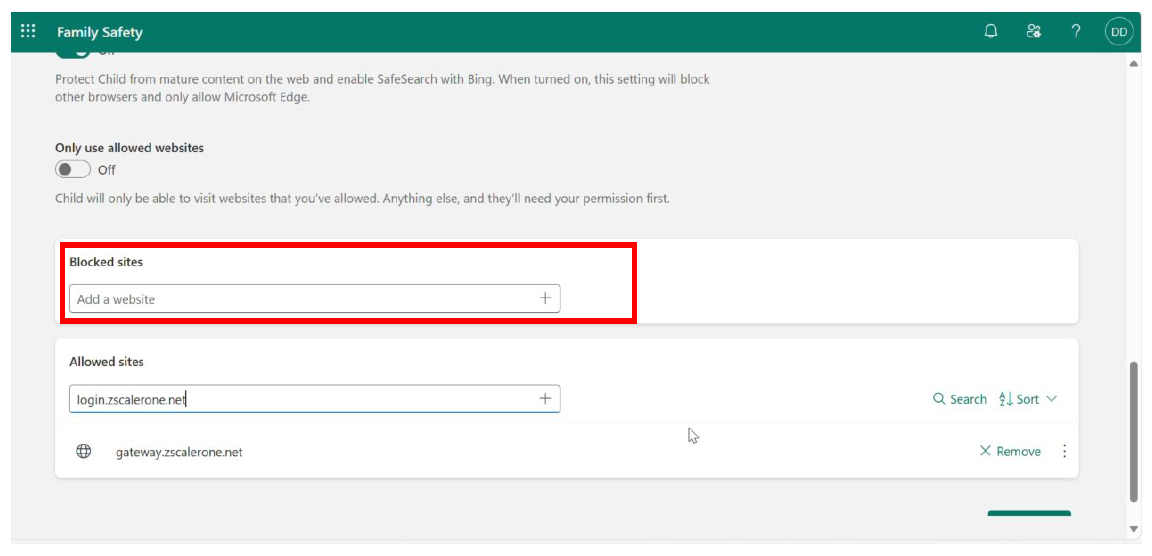
- Next look at the ‘Allowed sites’ area.
Add the following sites to the ‘Allowed sites’ list by typing or copying them in to the ‘Add a website field’ and pressing the + icon.
Ensure these sites are added:
gateway.zscalerone.net
login.zscalerone.net
These two websites are what students are directed to when they need to authenticate on our network to access websites online, beyond our intranet.
- When setting changes are completed correctly it should look like the screenshot below.
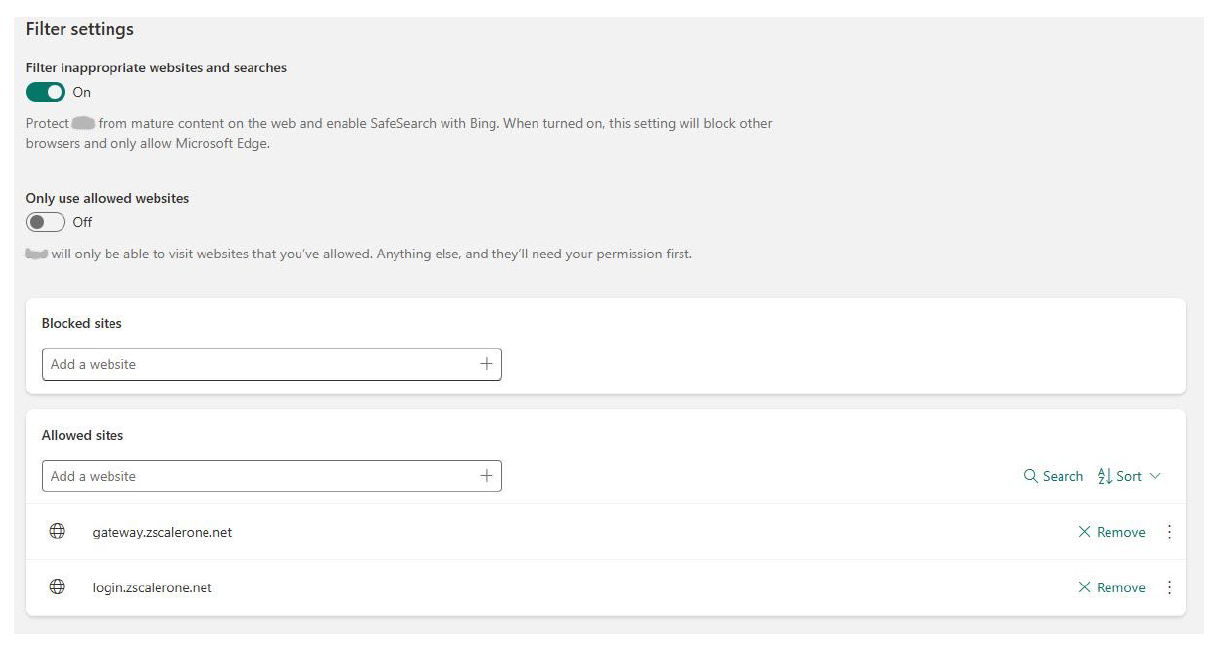
We can now Upgrade the device to Windows 11 Education and the Managed BYOD enrolment for school.
Note: The user that is logged in for this process must have administrator permission for the computer. - Open a web browser (such as Microsoft Edge or Google Chrome) and navigate to the ‘MNConnect’ page at https://mncatholic.sharepoint.com/sites/MNSchools. This will normally be available, on the start menu of the device, and visible when you click the start button.
Note: If you are a new student within our diocese you will not be assigned a student email, username or password until your first day of attendance at school. Please wait until you receive this information before continuing.
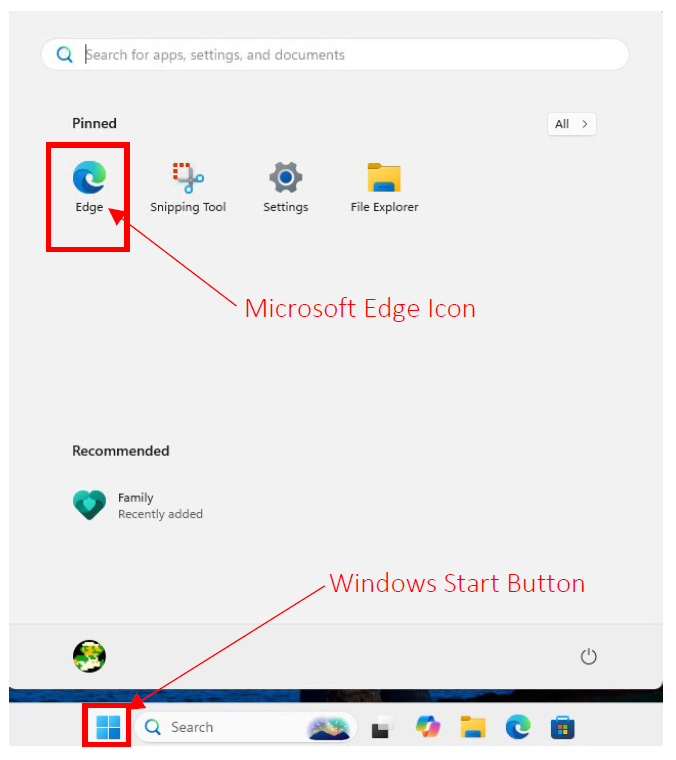
- Once the browser opens and you have navigated to https://mncatholic.sharepoint.com/sites/MNSchools you will be prompted to enter your school login details.
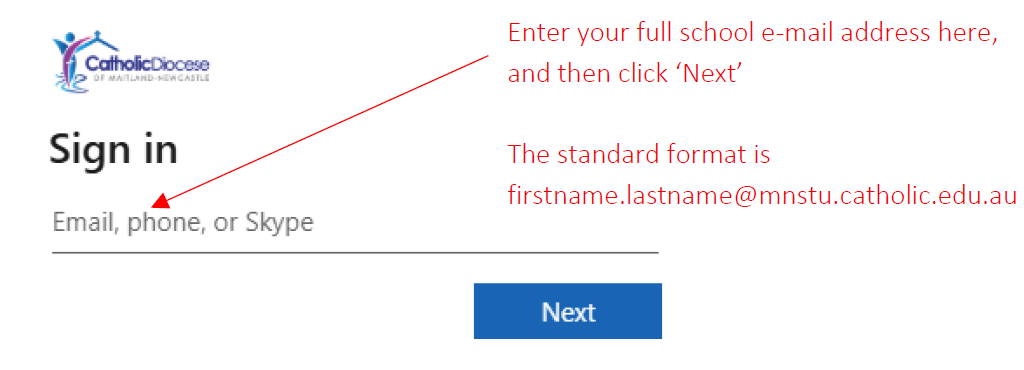
- When prompted enter your school username and school password then click ‘Sign in’.
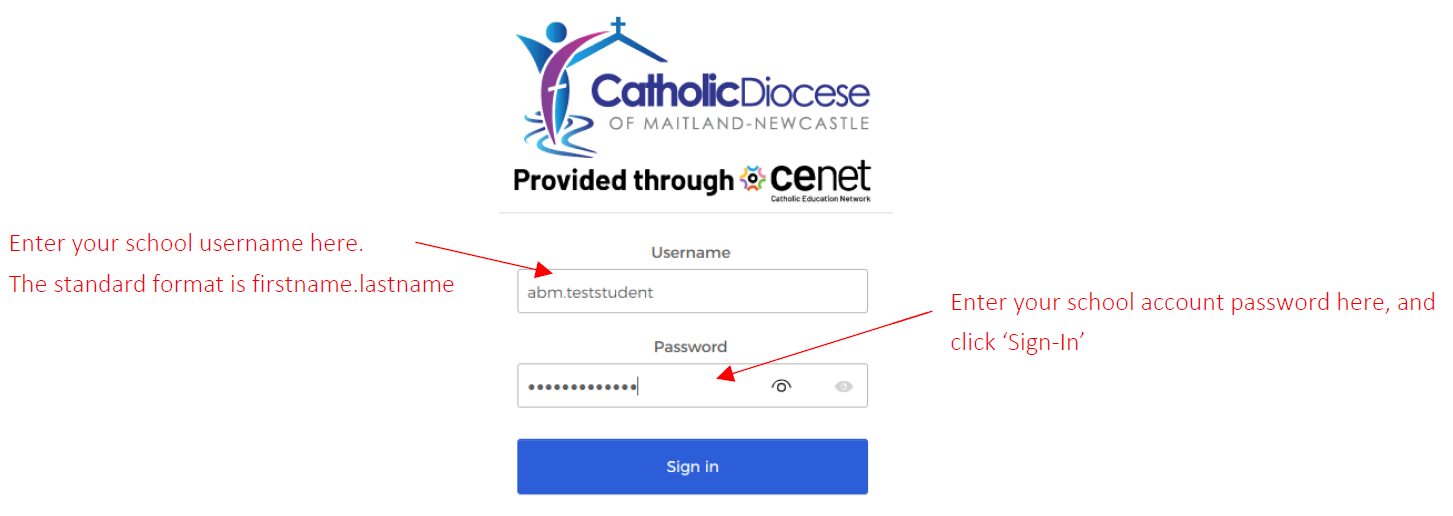
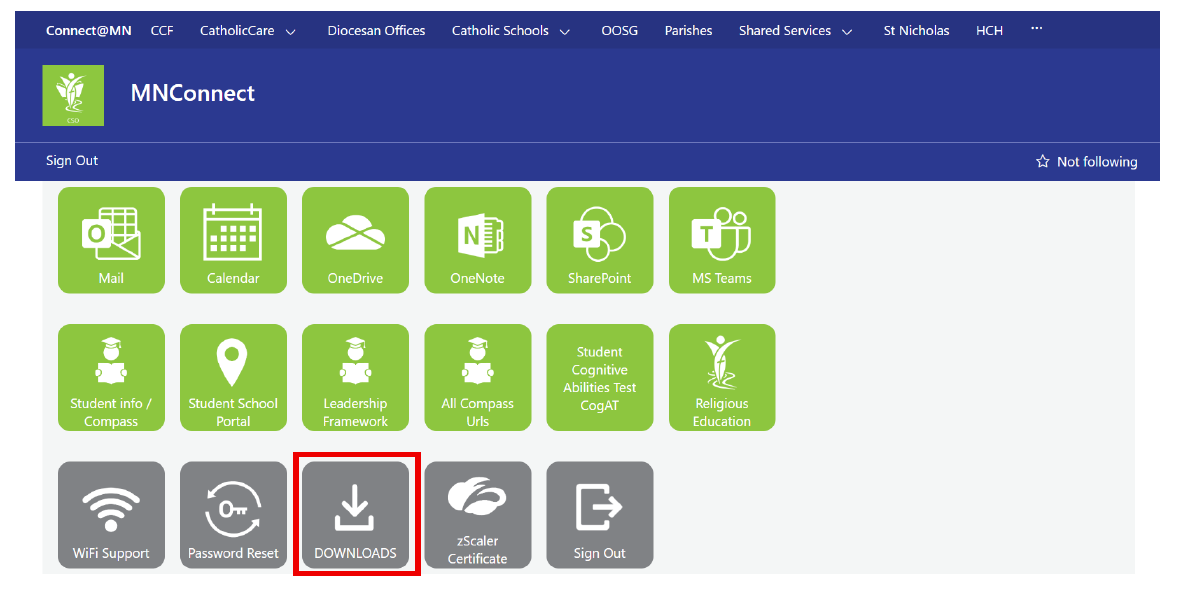
- From the ‘MNConnect’ page, click the ‘Downloads’ icon. This will open the ‘Downloads for BYOD Devices’ page.
- Scroll down to find the ‘Software Downloads and Add-ons’ section of the page, click on the ‘Step Up BYOD: Windows Education Upgrade Utility’ icon. This will initiate a download of the Upgrade Utility.

- If the following (or similar) prompt is displayed, simply click ‘Download’ to confirm that you want to download the Upgrade utility.
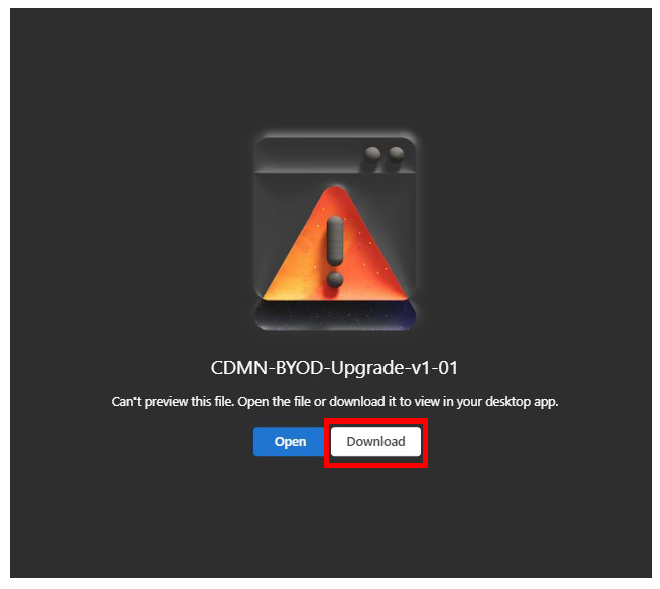
- Click ‘Open File’ from the Downloads prompt or open the location where application file was saved in Windows file explorer (this will most likely be the ‘Downloads’ folder). Locate ‘CDMN-BYOD-Upgrade-vx-xx.exe’ and double-click it to launch the application.
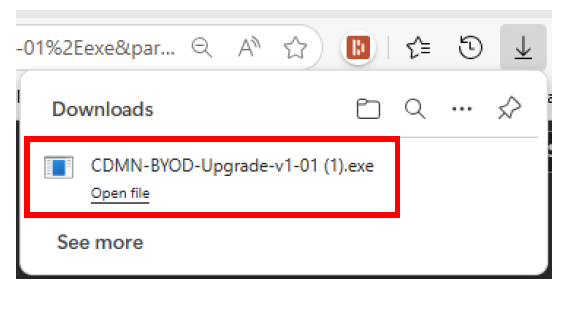
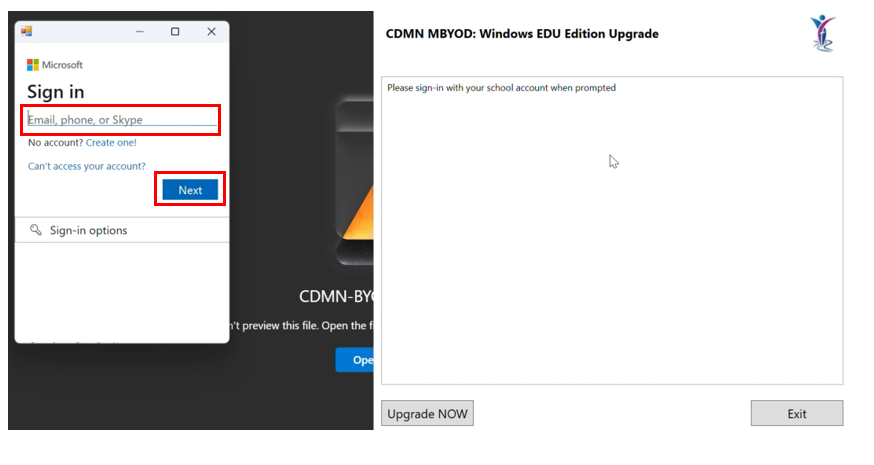
- Initially, the following window will appear.

After this window opens you will get a pop-up box asking you to sign in with your Microsoft account.
At this point you must enter the student’s full school email address (firstname.lastname@mnstu.catholic.edu.au) then click ‘Next’.
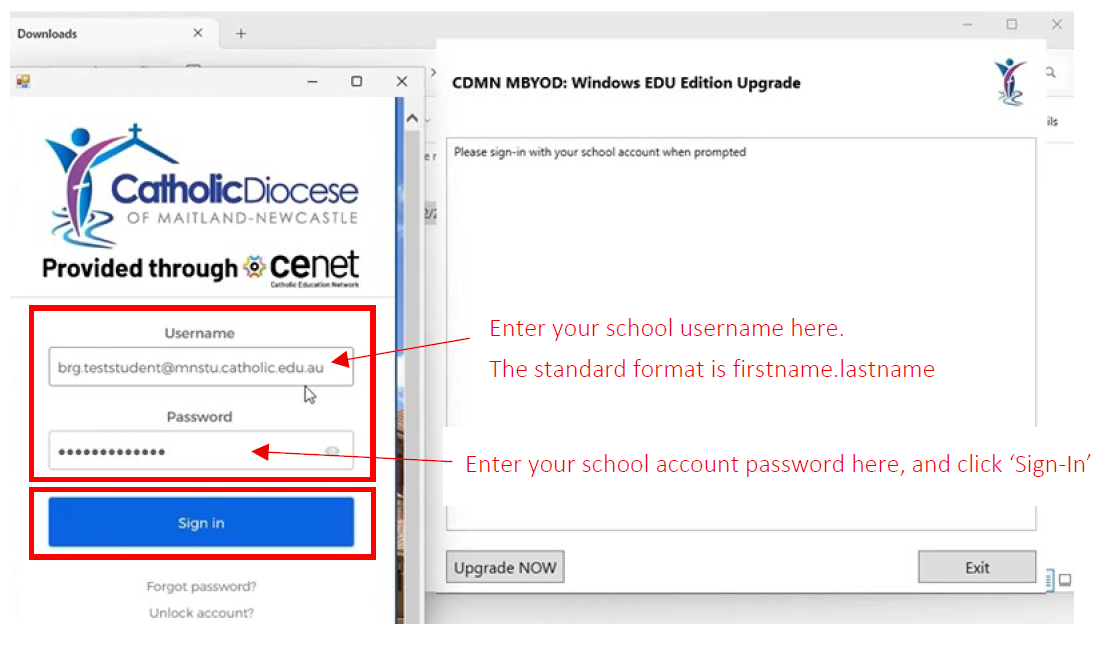
- The application will then prompt you to sign into your school account. Enter your school username and password as shown below, then click ‘Sign in’.
- The application will then verify your account and retrieve the upgrade key.
A message will be displayed in the application window when ready.
Click the ‘Upgrade NOW’ button to continue.Note: The verification process allows each student to upgrade one device. If you need to upgrade multiple devices or if there is an issue with verification, please contact your school technology support person.The upgrade process will restart your device to complete.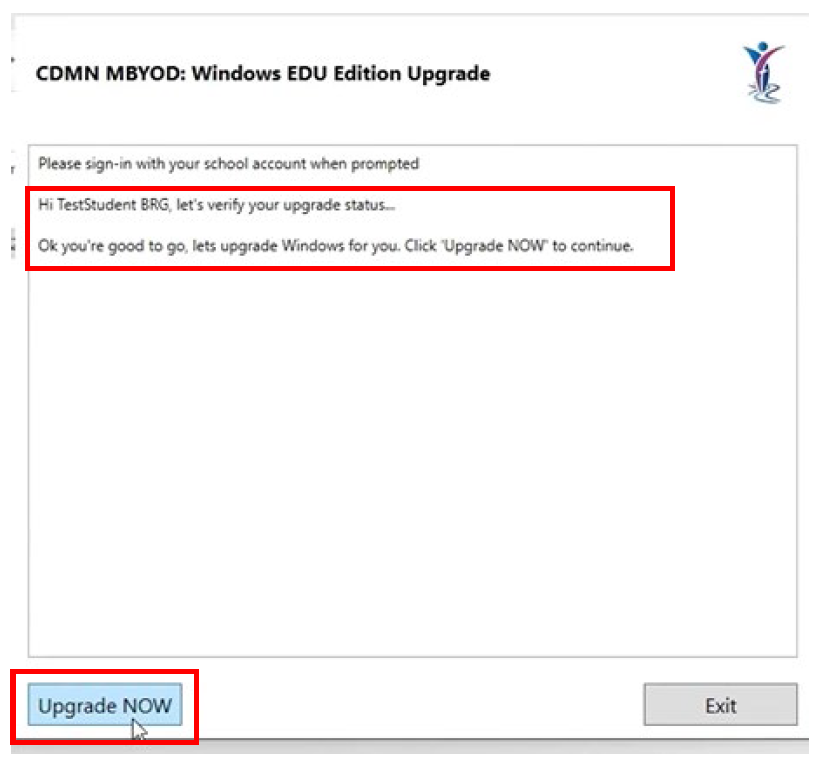
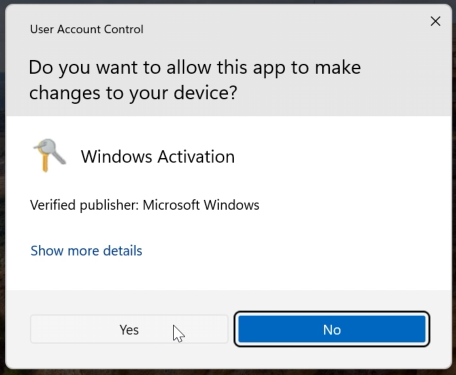
- You may now see the following pop up on screen asking for permission to make changes to your device. If you see this click ‘Yes’ to continue.
 Once the upgrade process begins, progress will be displayed as shown below: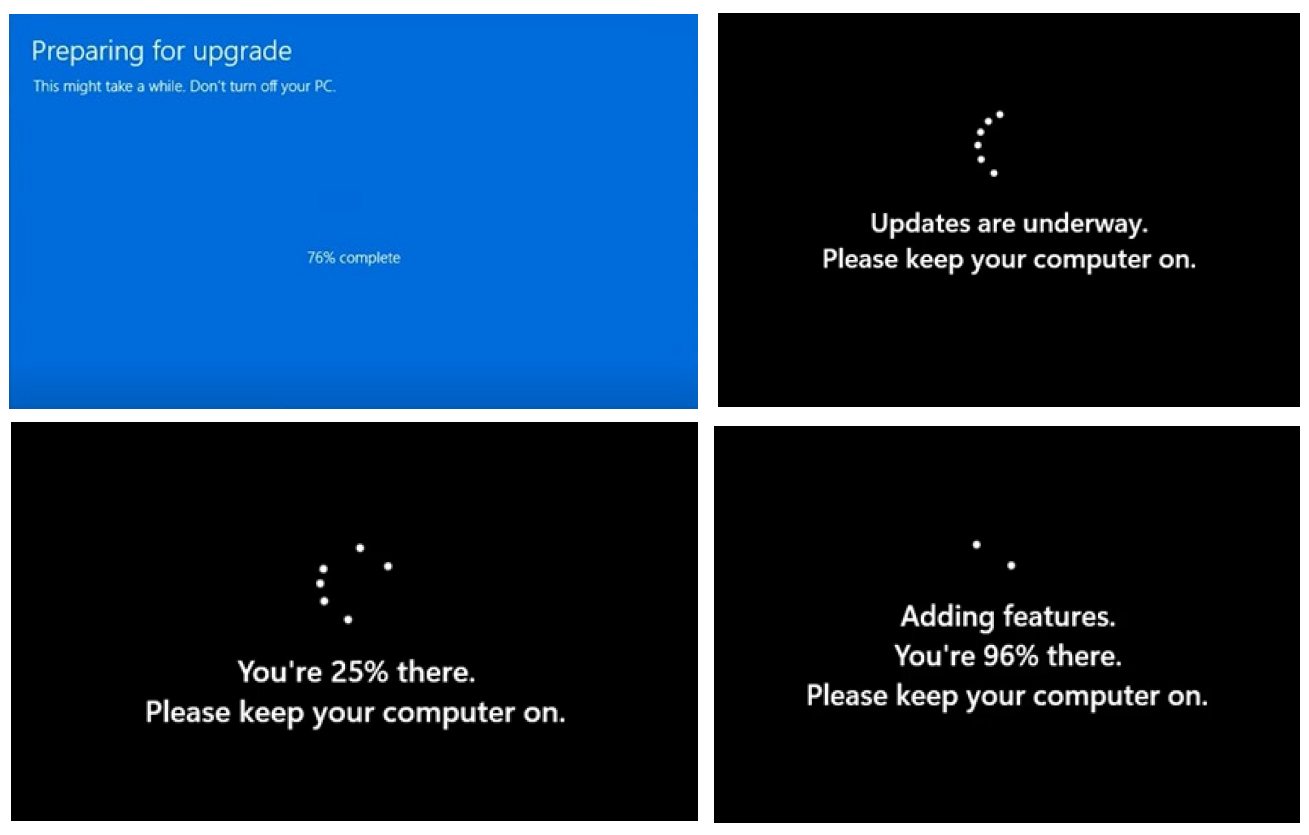
- When the upgrade process is complete and the device has restarted, you will be prompted to log on. Sign on to the device with the personal Microsoft account you have just used as normal.
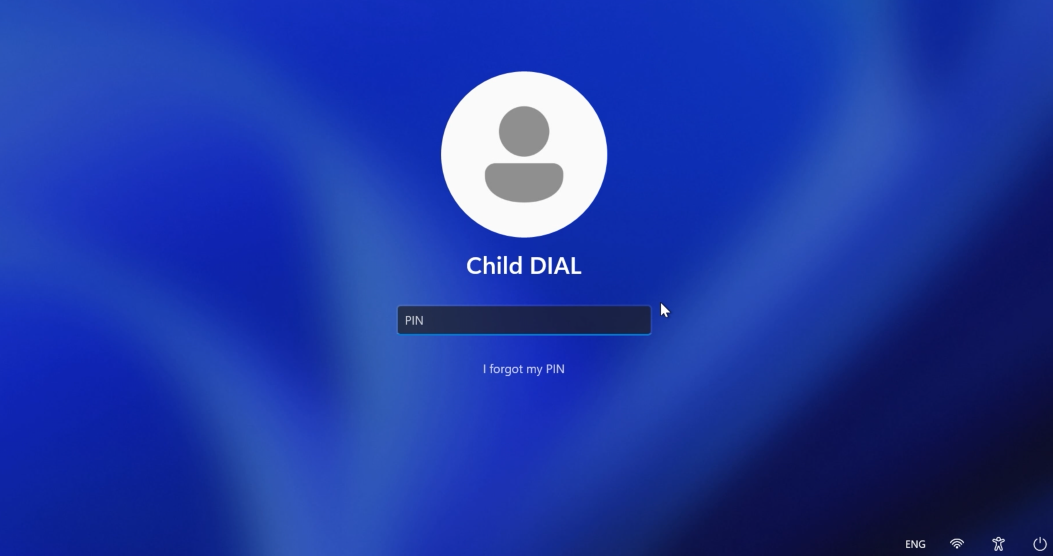
- Once logged on, a message should appear to confirm the success of the upgrade process (shown below). Click on the message box to open the relevant settings page.
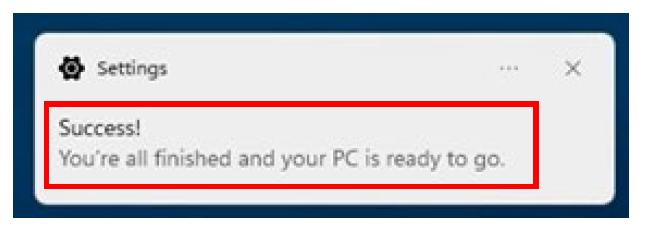
This will display the Windows Edition and the activation state.
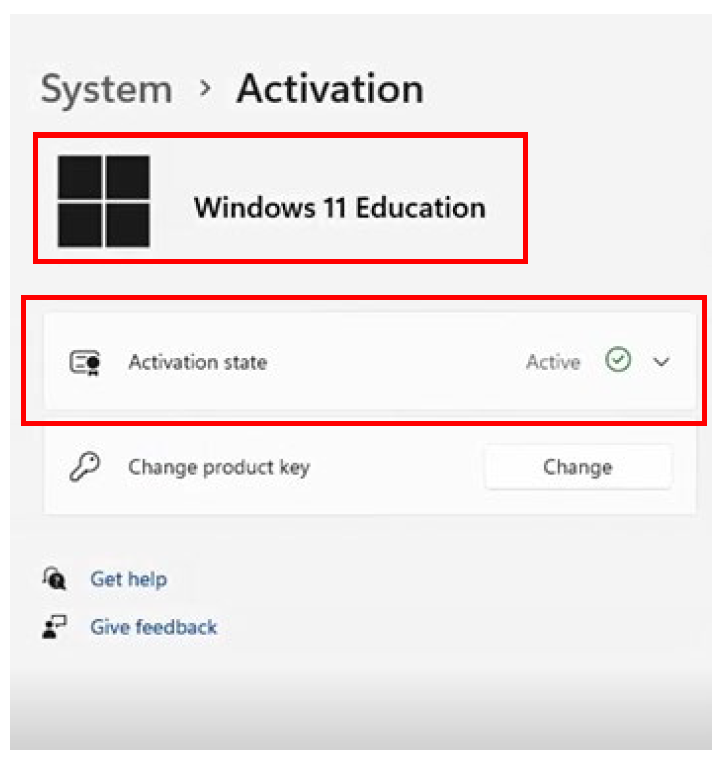
Note: If the above activation window does not appear after clicking on the ‘success!’ pop up, or the success pop up does not appear after signing back in to your device, it is also possible to verify the Windows Edition and activation state (just like we did at step 20 when checking for Windows S mode) by clicking on the ‘Windows start button’ and opening the ‘Settings Menu’. Then from the ‘System’ listing, click ‘Activation’ and you will see the above window. - At this point, the Windows Edition upgrade process is complete, and your device is now running Windows Education edition. It is now ready, to be enrolled in CDMN’s device management platform. Continue with the next steps to ensure the device is enrolled in the managed program correctly.Continue to follow the instructions below to enrol your device in CDMN’s device management platform:
- Ensure you are still logged in to the device as normal with the personal Microsoft account that you have been using.
- Click the ‘Start’ button, then click ‘Settings’
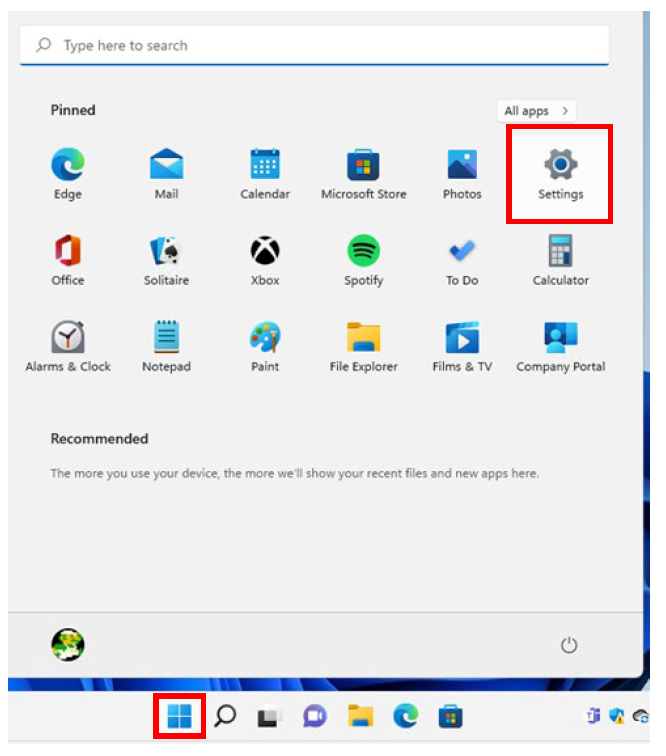
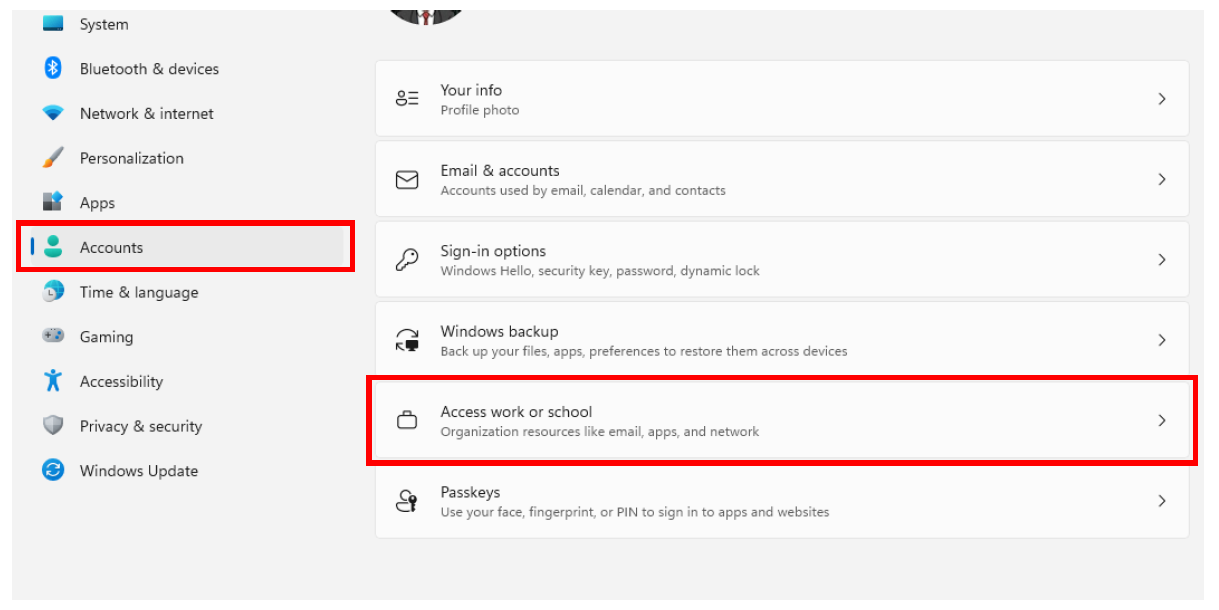
- When the ‘Settings’ window opens, click on ‘Accounts’ and then ‘Access Work or School’.
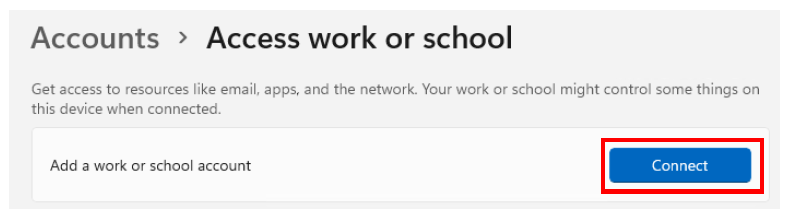
- Now click the ‘Connect’ button as shown below:
- The following window will then open. Click the ‘Join this device to Microsoft Entra ID’ link.
 Note that on some pre-installed editions of Windows (Education, Enterprise), this option does not appear as this is the default enrolment state for these editions of Windows. If this is the case, simply enter your full school email address and then click ‘Next’ to proceed.
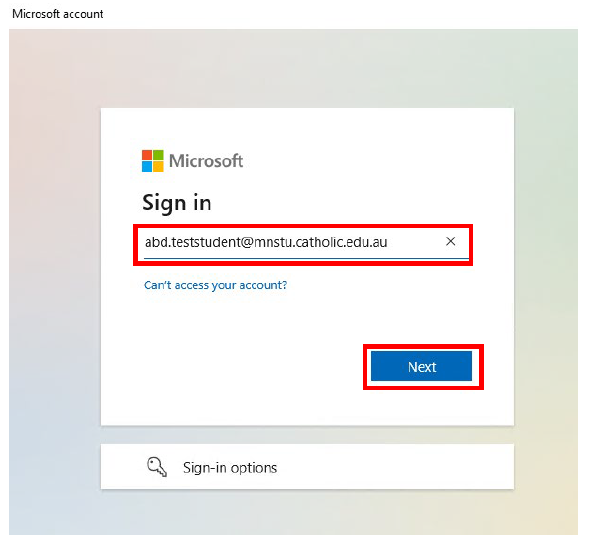
- You will then be prompted to ‘Sign in’. On the screen that appears, enter your full e-mail address(ie firstname.lastname@mnstu.catholic.edu.au) and click ‘Next’.
- When the standard CDMN (CeNET) logon prompt appears, enter your school details as shown.
Note: The username format here is simply firstname.lastname.
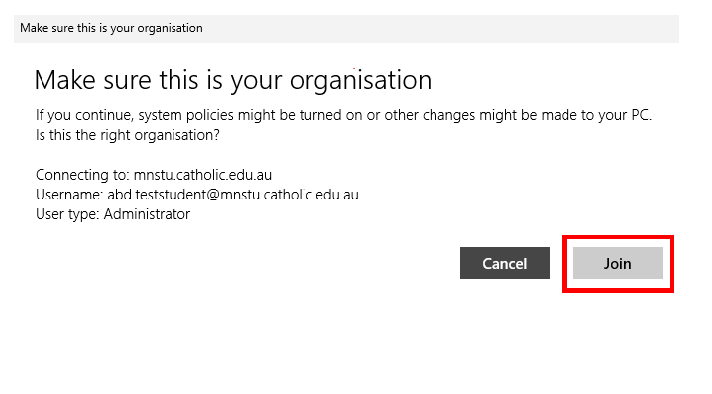
- You will now see the following screen, click ‘Join’ to confirm and complete the process of enrolling your device.
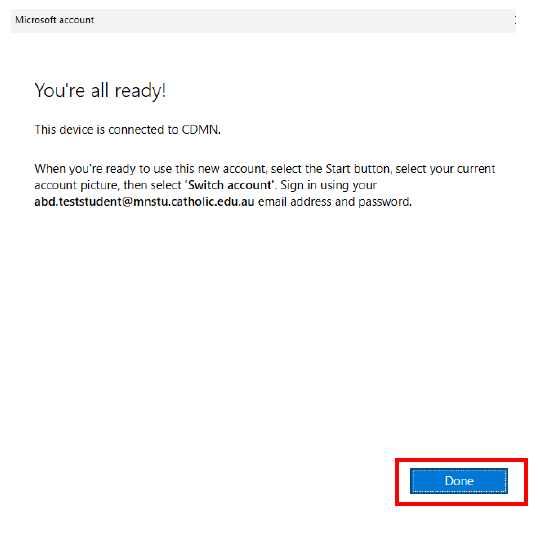
- Once enrolment is complete, the following confirmation screen will be displayed. Simply click ‘Done’.
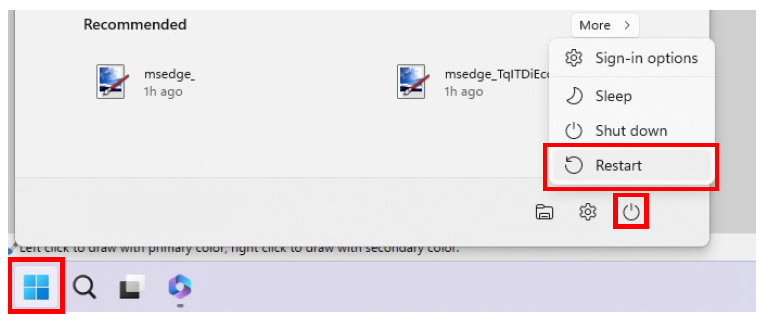
- You will now need to restart your device (or ‘Switch Accounts’ as explained in the previous pop up above) before you can sign into your device with your school account.Note: Before switching to your school account, consider transferring any files or data you want to access via your school account to your school OneDrive. Your school OneDrive can be accessed via https://mncatholic-my.sharepoint.com/Click the Windows Start icon, then the power button icon, and select ‘Restart’.
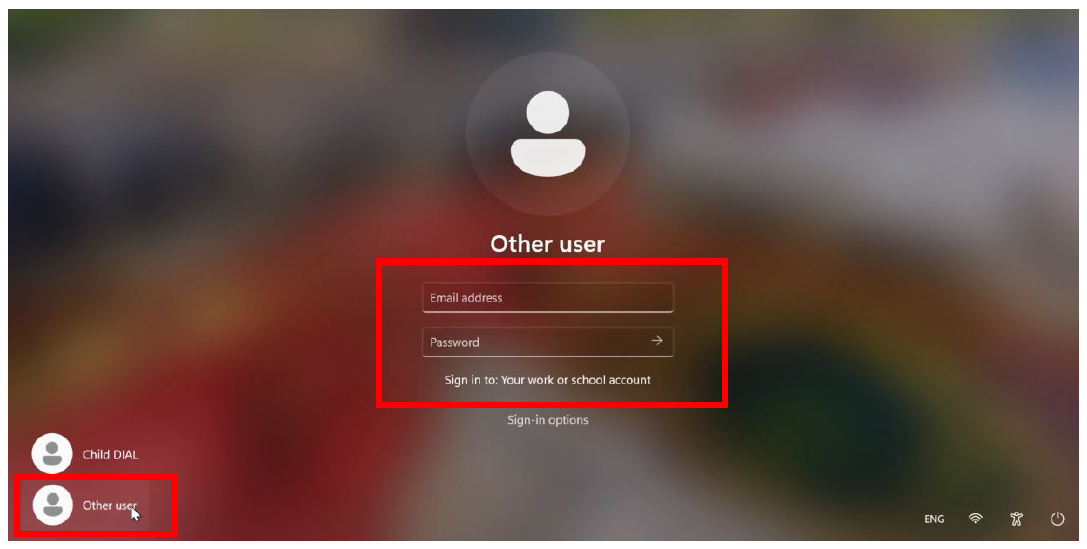
- When the device restarts, select ‘Other user’ from the bottom left icons and then enter your full school e-mail address and password in the other user fields. Then press enter or click the arrow icon beside your password to log in.
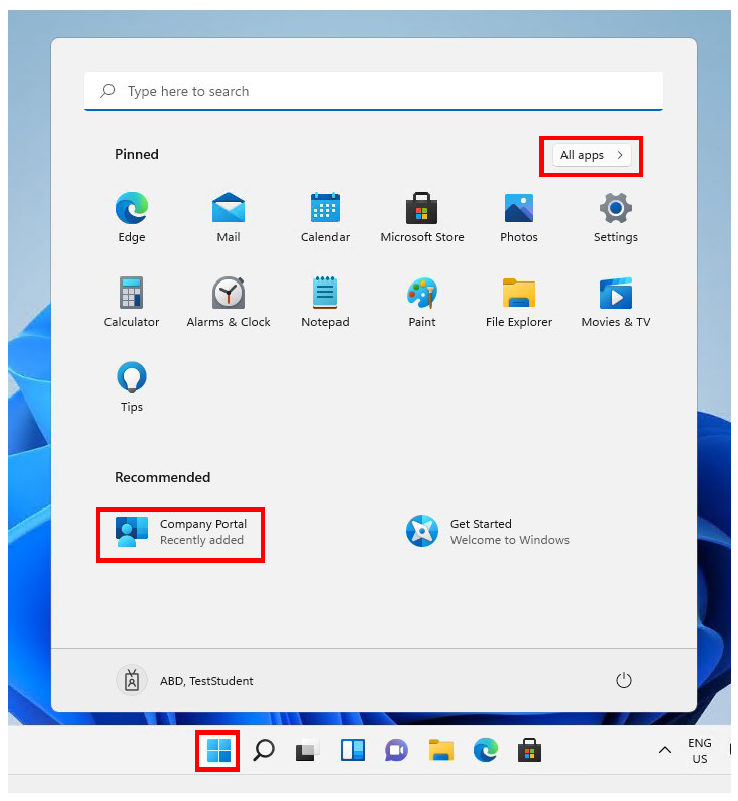
- Once logged in with your school account, the process to enrol your device is complete. Relevant applications and device profiles will be installed as required. Additional apps may be made available for installation in the ‘Company Portal’. In most cases it will appear in the list of ‘Recommended’ applications. If this not the case, then click ‘All apps’ and select It from the list of installed applications.It may take a few minutes for the Company Portal to be deployed to your device after the initial setup is complete.
- You should now be able to see all apps available to you at your school in the Company Portal. Some applications will be automatically deployed to your device, as defined by your school.
- Your student BYOD device is now completely setup and ready to use on the school network.
- When you take your device into school you will select the wifi network called “CSMN” to connect to the school wifi.
- Your school and teachers will provide any other specific information on how you will use your device in the classroom.